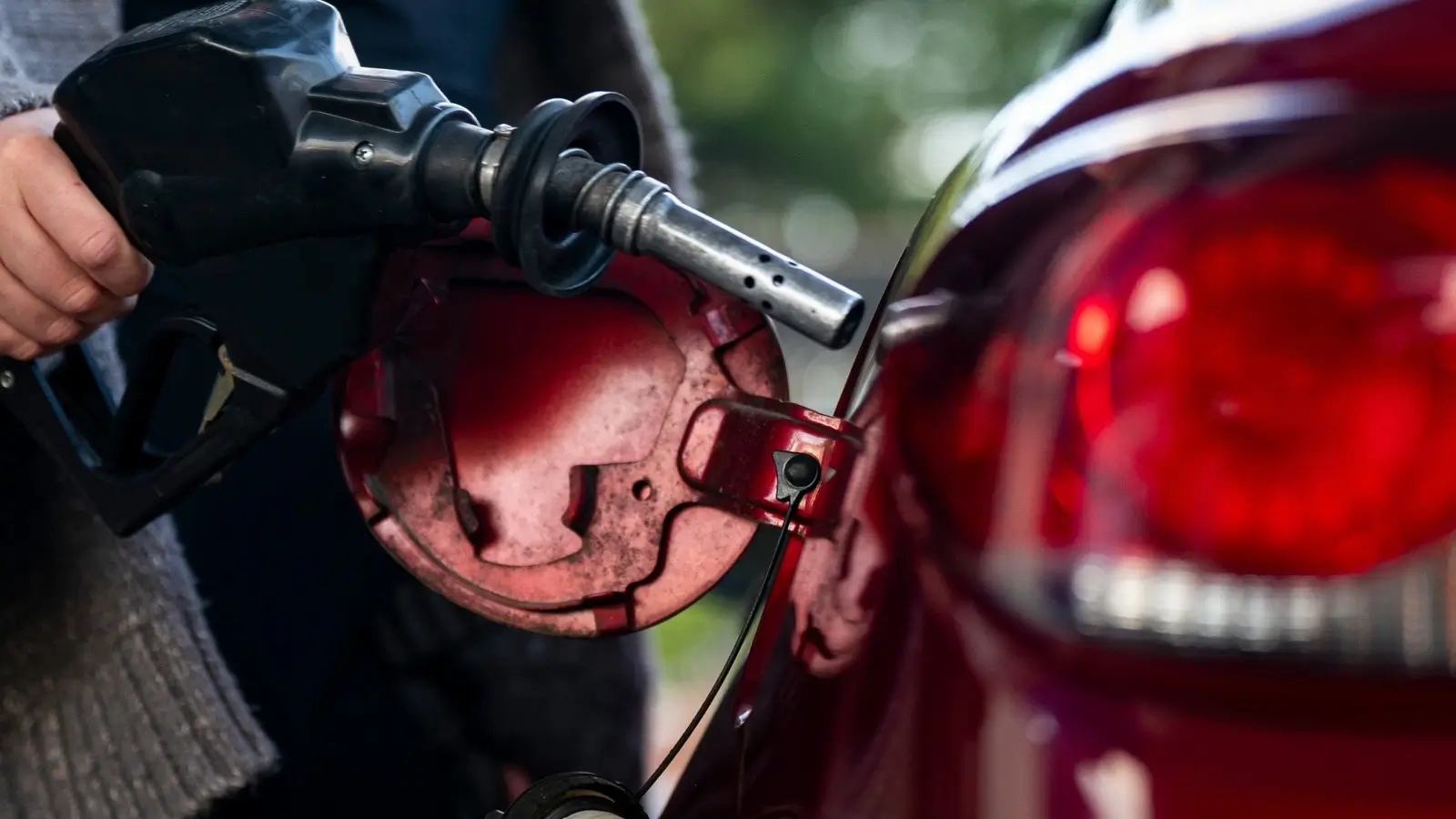
The Ultimate Guide to Saving Fuel While Driving: 15 Proven Tips to Cut Your Gas Costs
With fuel prices constantly fluctuating and environmental concerns growing, learning to drive more efficiently isn’t just good for your wallet—it’s good for the planet too. Whether you’re commuting daily or planning a road trip, these proven strategies can help you maximize every gallon.
🚗 Master the Art of Acceleration
1. Drive Smoothly and Steadily
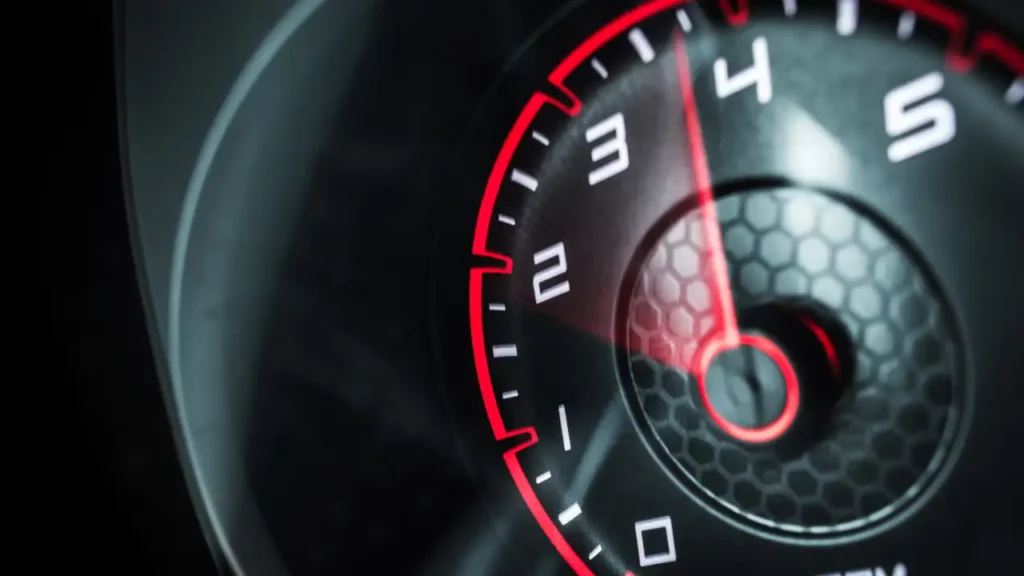
Aggressive acceleration is one of the biggest fuel wasters. Rapid acceleration can increase fuel consumption by up to 40% in stop-and-go traffic. Instead, accelerate gradually and anticipate traffic flow. Think of it like this: every time you floor the pedal, you’re essentially throwing money out the window.
2. Use Cruise Control on Highways
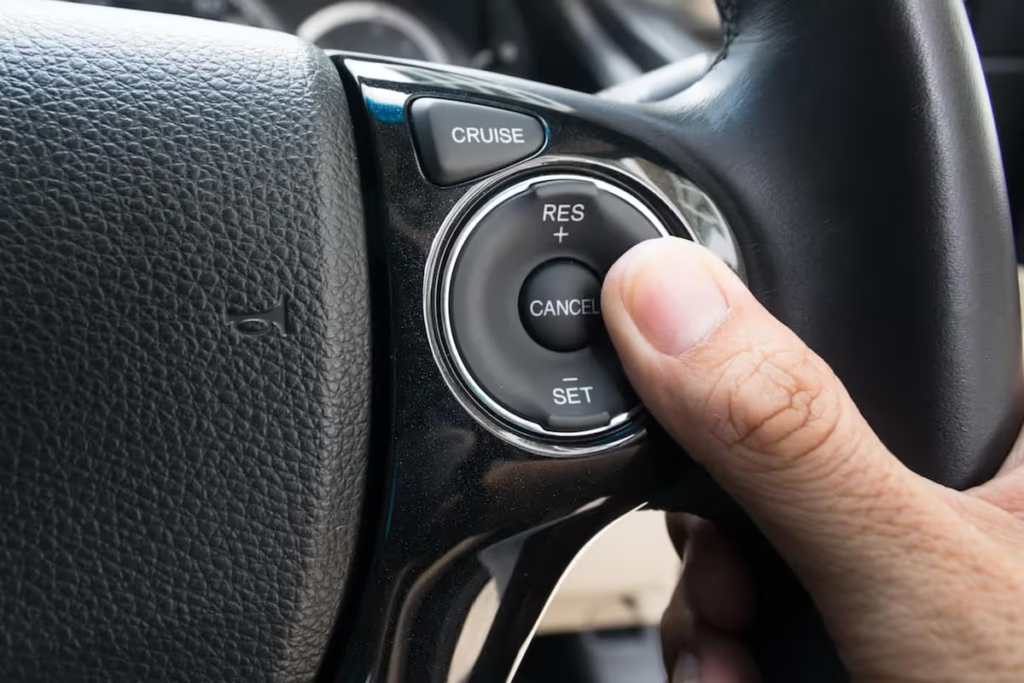
Maintaining a constant speed is more efficient than fluctuating speeds. Cruise control helps you avoid unconscious speed variations that burn extra fuel. Use it on flat highway stretches, but be prepared to disengage on hilly terrain where manual control can be more efficient.
⚡ Optimize Your Speed
3. Find Your Vehicle’s Sweet Spot
Most cars achieve peak fuel efficiency between 50-60 mph (80-95 km/h). For every 5 mph you drive over 60 mph, you’re paying approximately an additional $0.30 per gallon in fuel costs due to aerodynamic drag. On highways, staying in the right lane and driving at moderate speeds can significantly improve your MPG.
4. Avoid Excessive Idling
Idling gets you 0 miles per gallon. If you’re stopped for more than 30-60 seconds (waiting for a train, in a drive-thru line, or parked), turn off your engine. Modern engines use less fuel restarting than idling for extended periods. Many newer vehicles come with auto start-stop systems—use them.
🛑 Braking and Coasting Techniques
5. Anticipate Stops and Coast
Look ahead and anticipate when you’ll need to stop. Take your foot off the accelerator early and let your car coast to a stop rather than braking hard at the last second. This technique, often called “driving with your eyes,” reduces both fuel consumption and brake wear.
6. Maintain Safe Following Distances
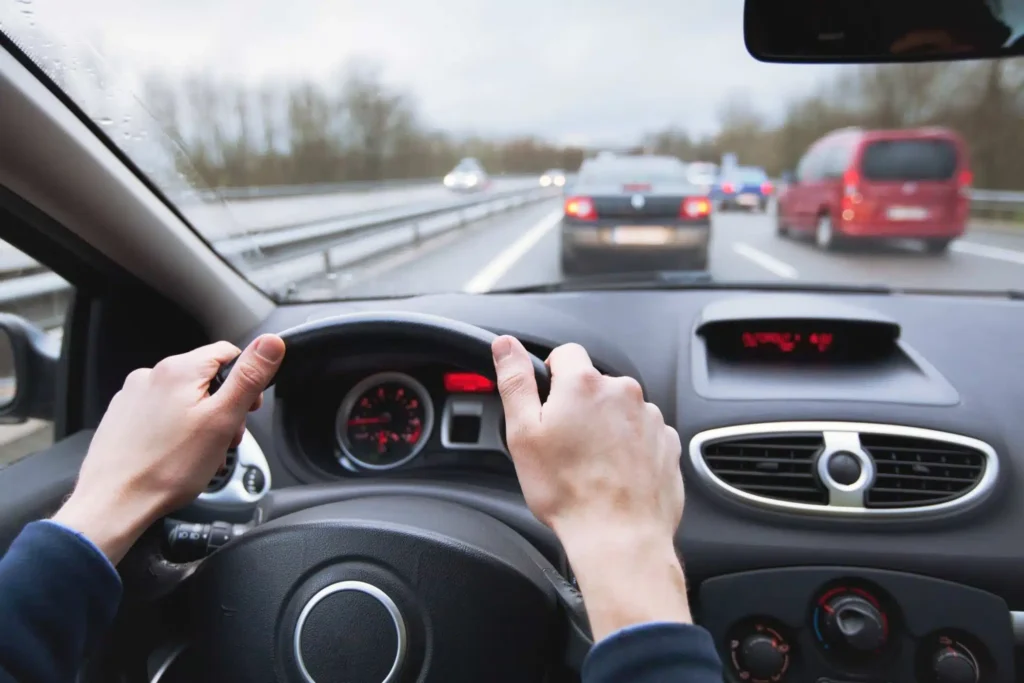
Keeping a 3-4 second gap between you and the vehicle ahead gives you room to react smoothly to traffic changes. This prevents the “speed up, brake hard” cycle that destroys fuel efficiency and creates traffic waves.
🛠️ Vehicle Maintenance Matters
7. Keep Tires Properly Inflated
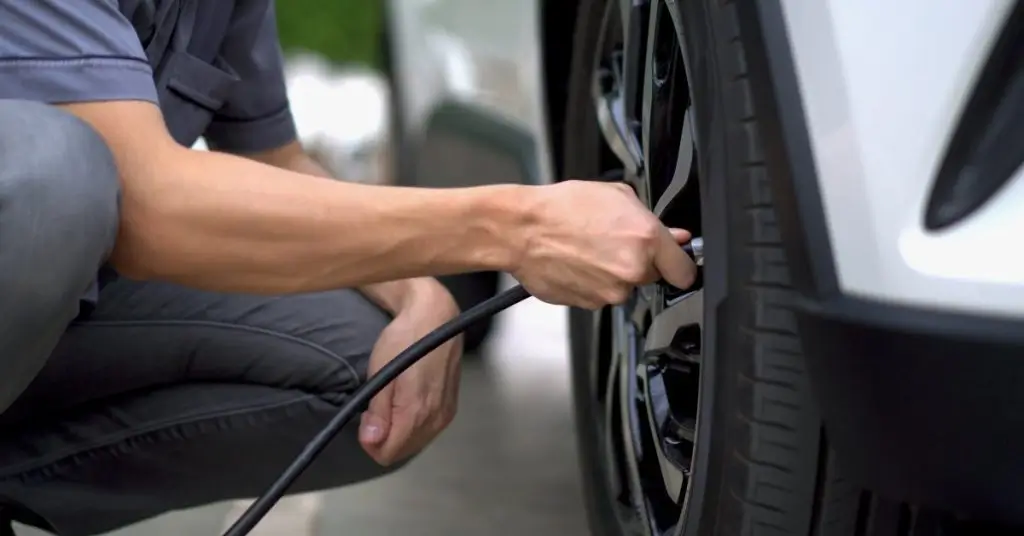
Under-inflated tires create more rolling resistance, forcing your engine to work harder. Check your tire pressure monthly (including the spare) and inflate to the manufacturer’s recommended PSI—usually found on a sticker inside the driver’s door jamb. Proper inflation can improve fuel economy by up to 3%.
8. Remove Excess Weight
For every 100 pounds of extra weight in your vehicle, your MPG drops by approximately 1%. Clean out your trunk and back seat of unnecessary items. If you have a roof rack or cargo carrier that you don’t use regularly, remove it—the aerodynamic drag can reduce efficiency by 2-8% in city driving and 6-17% on the highway.
9. Use the Recommended Motor Oil
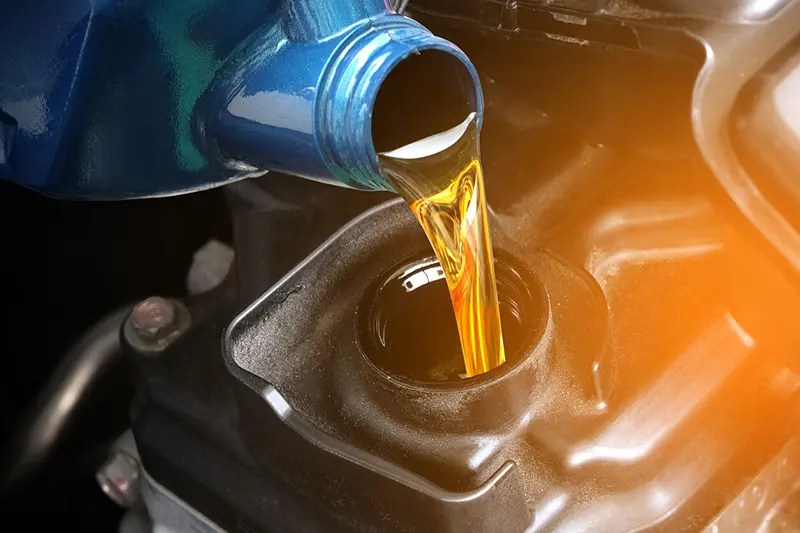
Using the manufacturer’s recommended grade of motor oil improves engine efficiency. Look for oils labeled “Energy Conserving” or “Resource Conserving” on the API performance symbol. Using 10W-30 motor oil in an engine designed for 5W-30 can lower your gas mileage by 1-2%.
10. Keep Your Engine Tuned
A well-tuned engine runs more efficiently. Fixing a serious maintenance problem, such as a faulty oxygen sensor, can improve your mileage by as much as 40%. Regular tune-ups, air filter replacements, and spark plug maintenance all contribute to optimal fuel economy.
🌡️ Climate Control Strategies
11. Use Air Conditioning Wisely
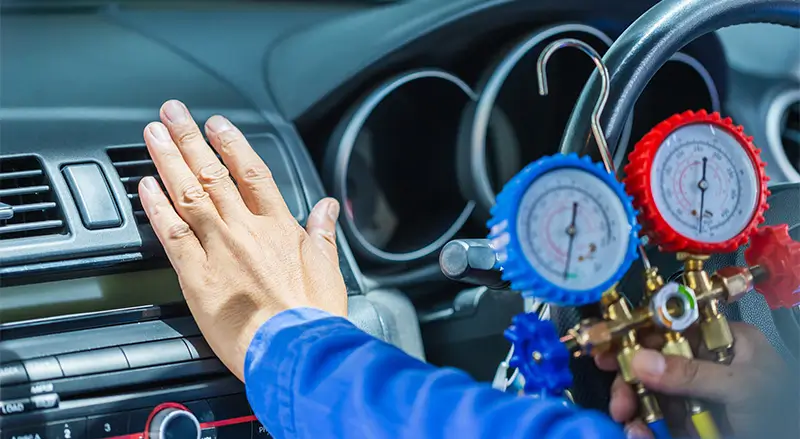
Air conditioning can reduce MPG by 5-25% depending on the vehicle and conditions. At lower speeds, open windows are more efficient. At highway speeds (above 55 mph), closed windows with A/C are actually better because open windows create aerodynamic drag. Use the “recirculate” setting once the interior is cool—it requires less energy than cooling outside air.
12. Park Smart to Reduce Cooling Needs
When possible, park in the shade or use a windshield sunshade. A cooler cabin requires less A/C to reach comfortable temperatures, saving fuel on startup.
🗺️ Trip Planning and Route Optimization
13. Combine Errands into One Trip
A cold engine is less efficient and produces more emissions. Several short trips taken from a cold start can use twice as much fuel as a longer multipurpose trip covering the same distance. Plan your route to minimize backtracking and avoid rush hour when possible.
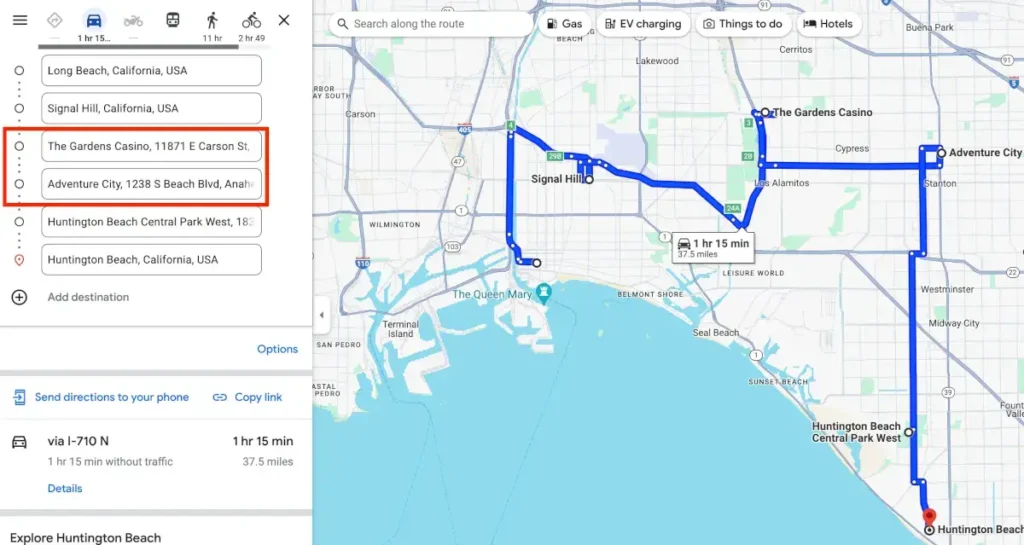
14. Use Navigation Apps with Traffic Data
Apps like Google Maps or Waze can help you avoid traffic jams and find the most efficient routes. Getting stuck in stop-and-go traffic is one of the worst scenarios for fuel economy.
⛽ Fuel and Driving Habits
15. Avoid Topping Off Your Tank
When filling up, stop at the first click. Overfilling can lead to spillage and evaporation. Additionally, fuel expands when heated, so filling up during cooler parts of the day (early morning or evening) can give you slightly more fuel density for your money.
📊 Quick Reference: Fuel Economy Impact
Table
| Practice | Potential Savings |
|---|---|
| Smooth acceleration | Up to 40% in traffic |
| Proper tire inflation | Up to 3% |
| Removing 100 lbs of weight | ~1% |
| Fixing faulty oxygen sensor | Up to 40% |
| Driving 55 mph vs 70 mph | 15-20% |
| Reducing idle time | Significant in heavy traffic |
| Using cruise control | 7-14% on highways |
Final Thoughts
Fuel efficiency isn’t about driving slowly—it’s about driving smart. By adopting these habits, you can improve your fuel economy by 15-30% without any vehicle modifications. The best part? These techniques also make you a safer, more aware driver while reducing wear and tear on your vehicle.
Start with 2-3 tips this week and gradually incorporate more. Your wallet (and the environment) will thank you.